
Invasive alien plant clearing, biochar and ecological restoration
-
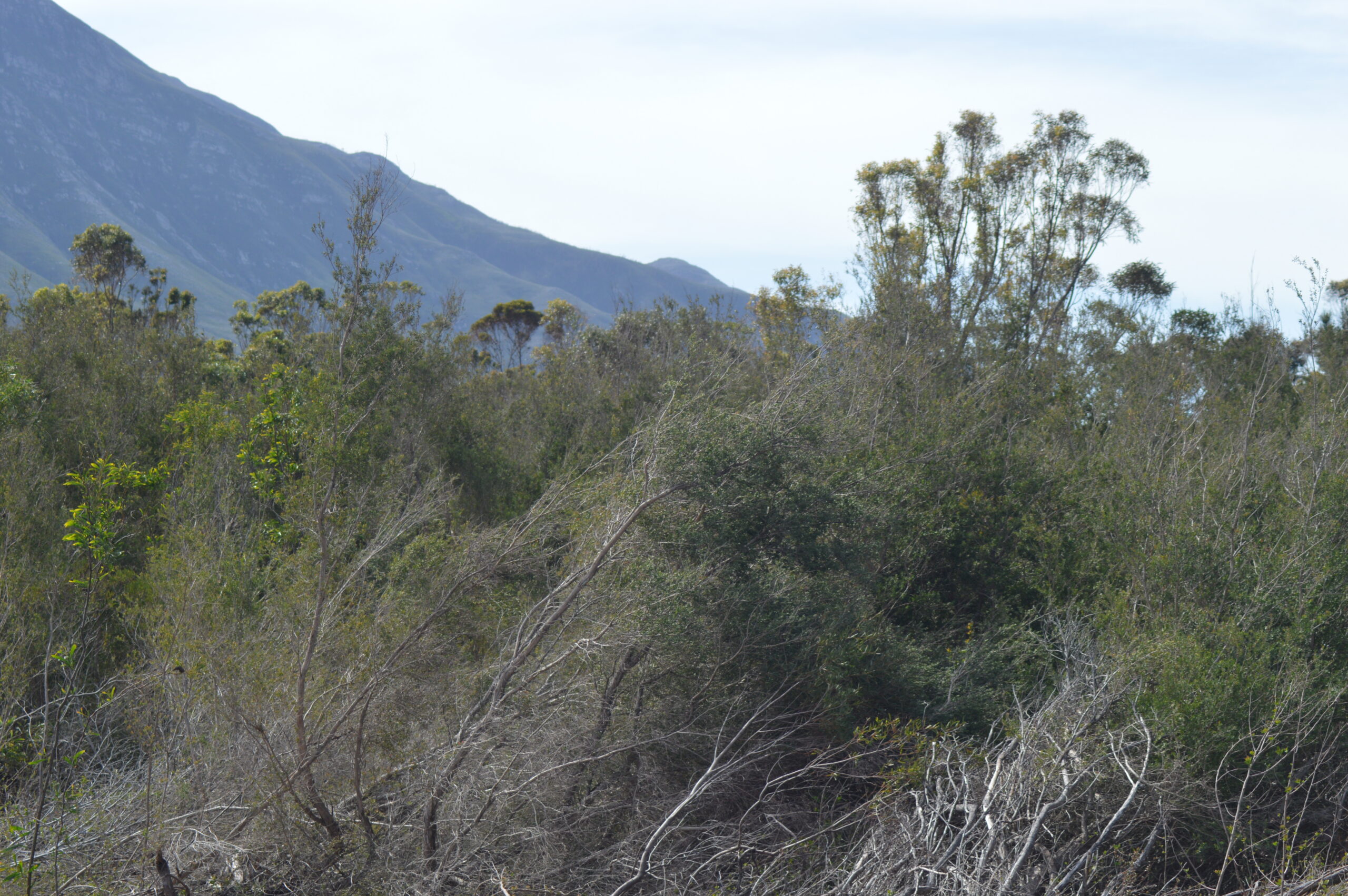
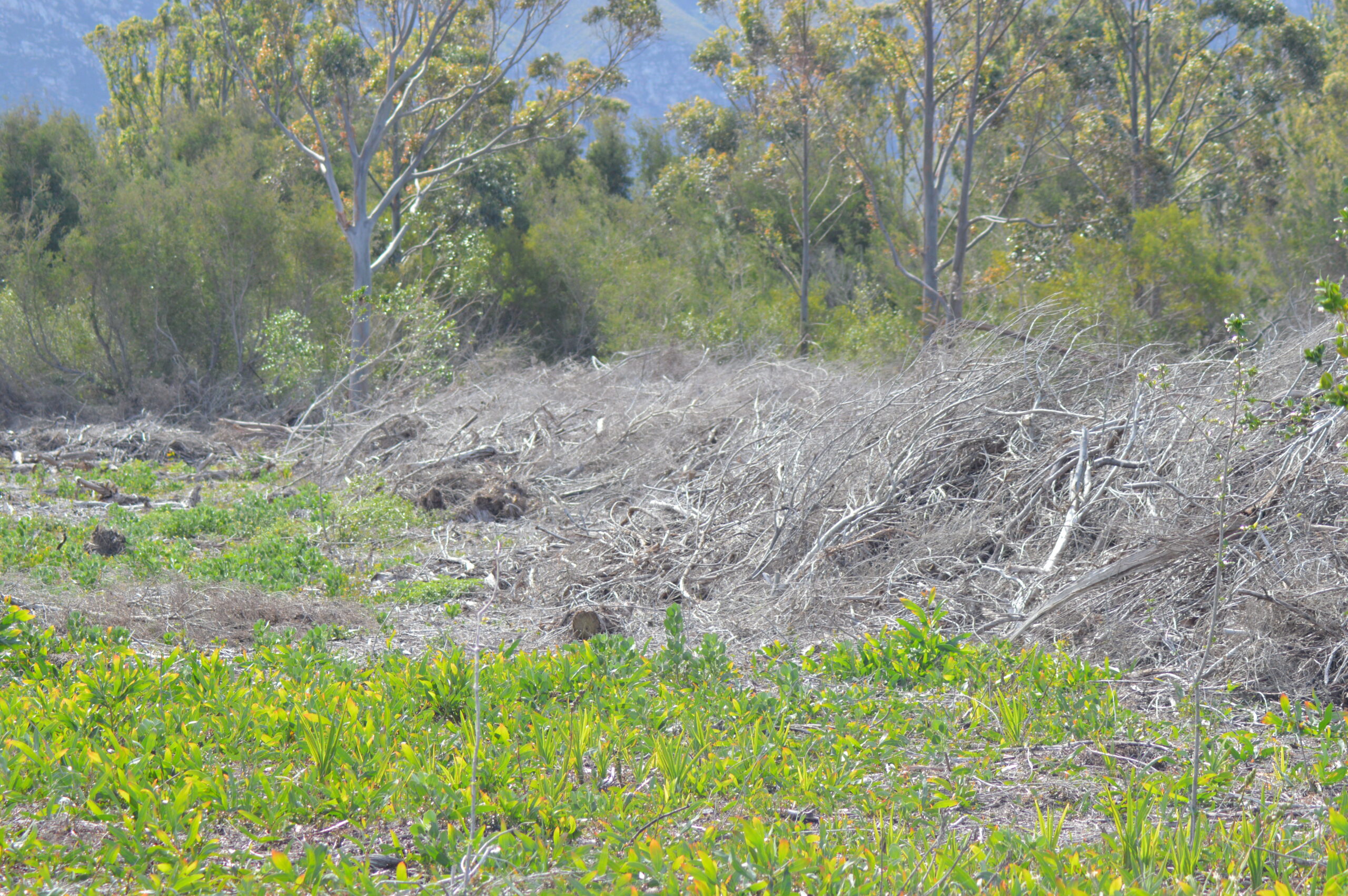
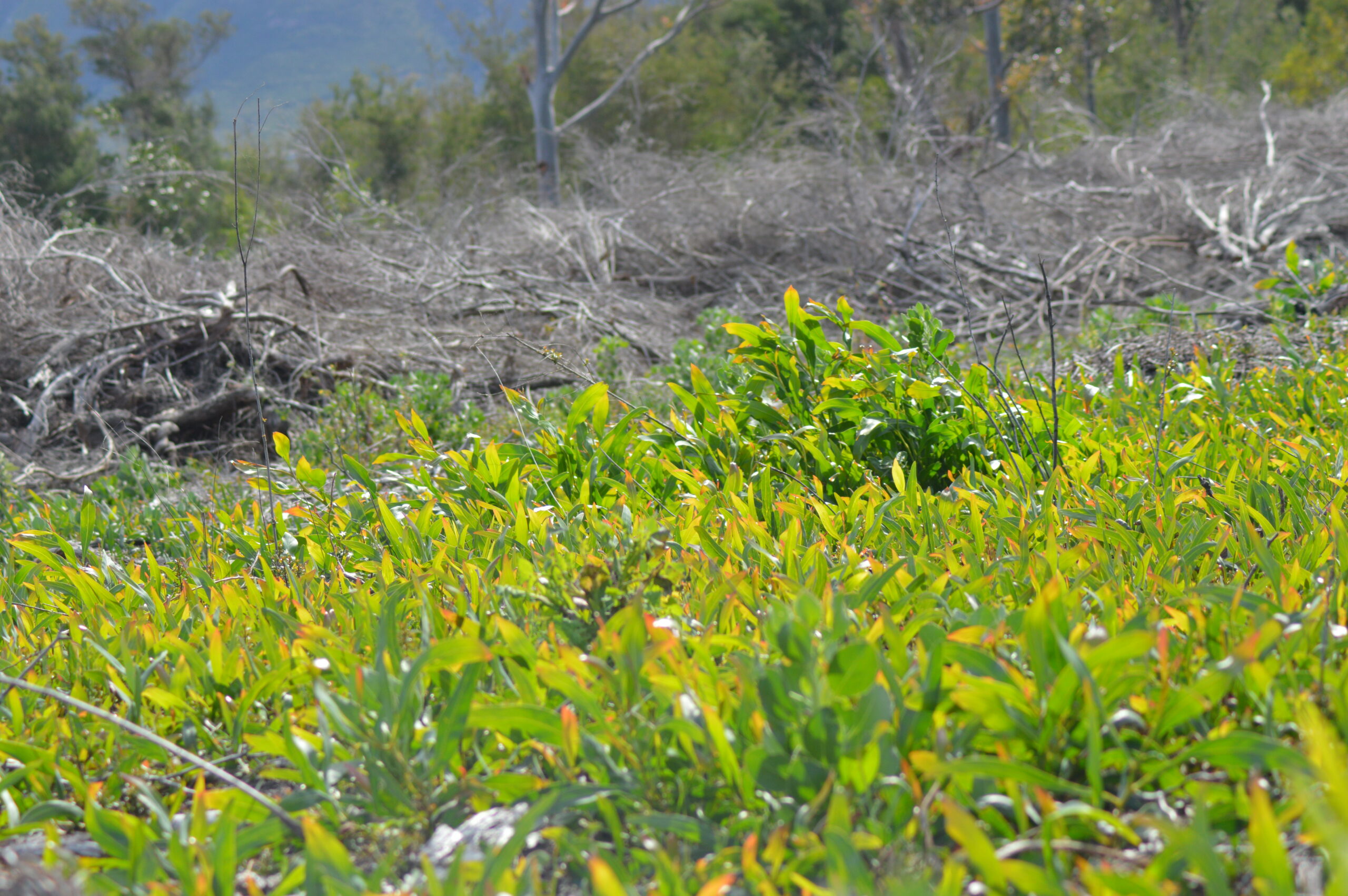
Study the soil and vegetation after the invasive alien plants have been cleared.
-
Identify factors that may prevent indigenous vegetation from recovering naturally.
-
Test different restoration methods on a small scale.
-
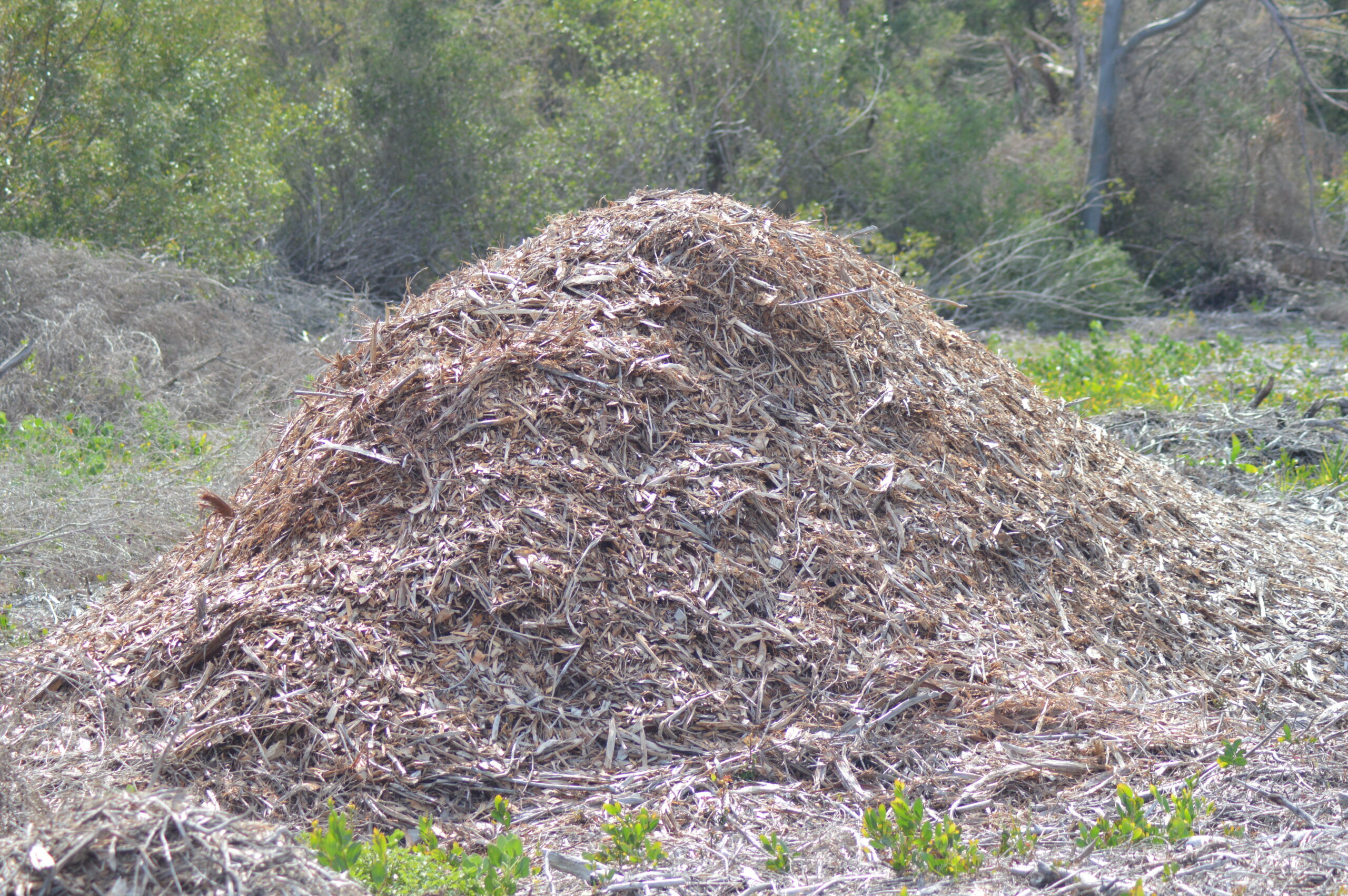
Convert some of the cleared invasive alien vegetation biomass into biochar, permanently storing carbon while investigating whether it can help improve the soil and support ecological recovery.
-
Use the results to determine whether these methods could eventually be applied over larger areas.
Related Discoveries

Fight for the Light: Fynbos vs Invasive Alien Plants
Silent battles rage on slopes and in valleys of the Walker Bay area. A race for light, nutrients and space is underway within the ever-changing landscape. This mosaic consists of pristine vegetation, anywhere between 5 and 20 years old, mixed with swathes of young veld undergoing ecological succession after the fires gave the landscape a […]

Vyfpondbos, thin twinleaf, spekbossie — Roepera flexuosa’s weight related names
Where fire raged through six months ago, Roepera flexuosa puts on a wonderful show of yellow flushes across patches of dune strandveld in the Walker Bay area. This plant is known by a few interesting common names: thin twinleaf, maerbossie, spekbossie and vyfpondbos. The origins behind these names are as special as the nature of […]

Glad to see you!
Many members of the Iris family, Iridaceae, are stimulated to flower after fire. In the last month, three species of Gladiolus have erupted from the ground like fireworks across the burnt landscape, each telling a story of resilience and recovery. The Kaneelpypie, also known as the Fragrant Afrikaner or Rock Afrikaner (Gladiolus guthriei), was the […]