
Vyfpondbos, thin twinleaf, spekbossie — Roepera flexuosa’s weight related names
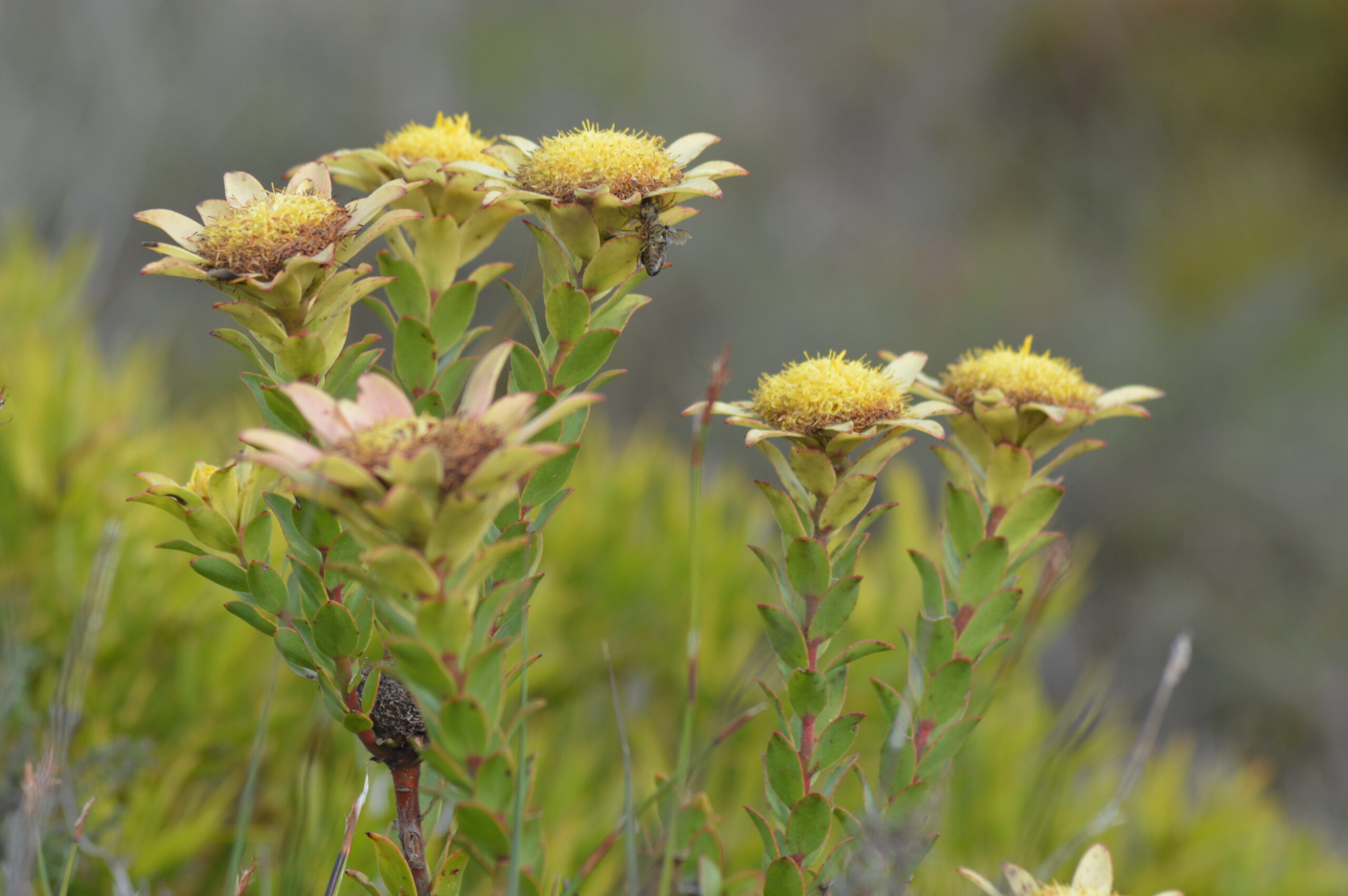
Where fire raged through six months ago, Roepera flexuosa puts on a wonderful show of yellow flushes across patches of dune strandveld in the Walker Bay area. This plant is known by a few interesting common names: thin twinleaf, maerbossie, spekbossie and vyfpondbos. The origins behind these names are as special as the nature of this plant itself.

Roepera flexuosa is a South African endemic and occurs in the Fynbos, Nama Karoo and Succulent Karoo biomes. Where they are present in fynbos from Velddrif to Knysna in the Western Cape, they often occur in close proximity to the sea. There are no known medicinal uses for this plant. This species has immense ornamental potential, but is not well known or promoted in the horticultural industry.

The former genus of Roepera was known as Zygophyllum — derived from Greek words zygos, meaning ‘joined’ and phyllon, meaning ‘leaf’. Flexuosa is derived from the Latin term for “pliant”, likely due to their bendable stems.
The name vyfpondbos and spekbossie is related to this species being highly palatable, and therefore having great grazing-value for game. In the 1950s, while an agricultural officer gave a lecture in the field at Zebra in Oudtshoorn, an audience member asked what the common name of this plant was when they discussed the merits of it. The officer replied that it did not have one, however, given the grazing-value that this plant has, it is worth at least five pounds (vyf pond) — henceforth having the name vyfpondbos.

Another common name of Roepera flexuosa is that of spekbossie, because the animals that graze on it were said to become spekvet (as fat as pigs). Due to the high palatability of this plant, its appearance is altered based on the amount of grazing pressure it is subjected to, shaping them to morph into a prostrate habit. Bees and other insects often visit the spekbossie during flowering.

Related Discoveries
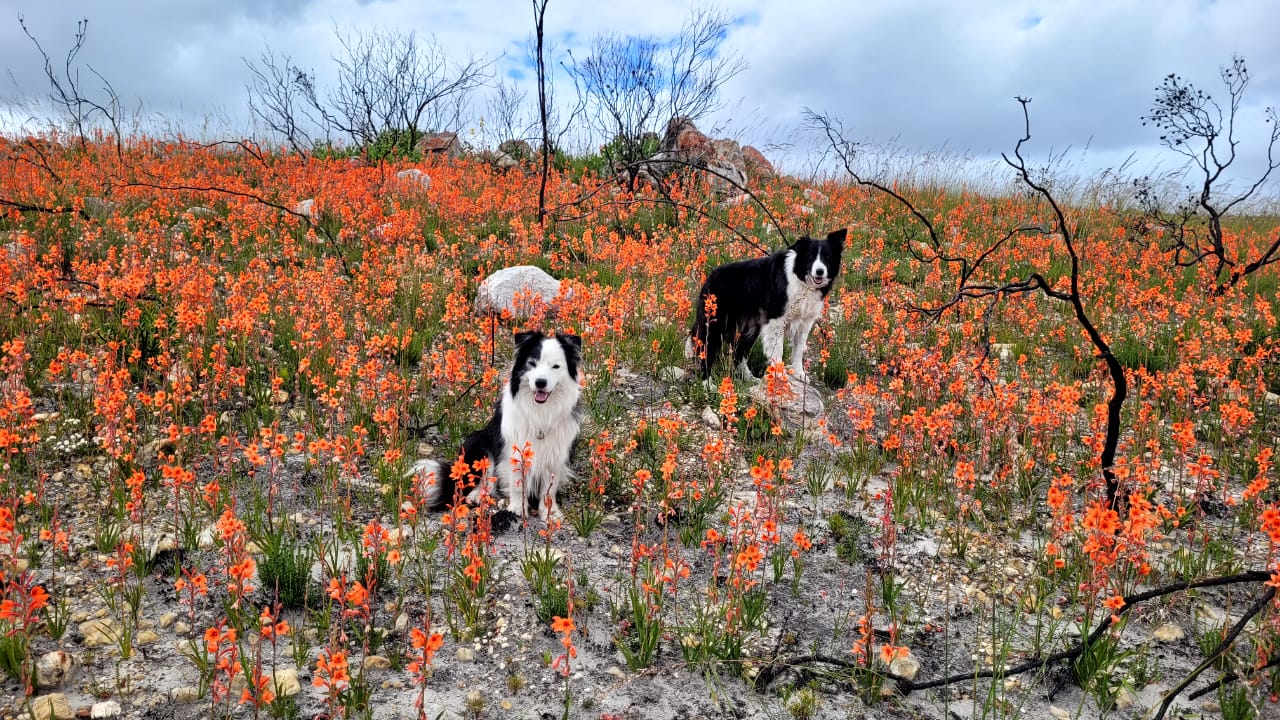
A Weekend Walk at Bhungani
It’s barely been 9 months since the veld at Bhungani was reduced to ashes after a massive fire swept through the area, however, the fynbos had been waiting 20 years for this opportunity to regenerate, to resprout, to seed and for bulbs to emerge after a long dormancy with spectacular magnificence. […]
Persistence is key – ask the fynbos.
Persistence is key. That counts for invasive alien clearing too. Commitment to protecting a landscape becomes evident when walking through the veld and seeing the resilience of fynbos. Where clearing of invasive alien vegetation was done a decade ago at a conservation servitude site on Farm 215, with consistent effort to do follow-up […]

Fight for the Light: Fynbos vs Invasive Alien Plants
Silent battles rage on slopes and in valleys of the Walker Bay area. A race for light, nutrients and space is underway within the ever-changing landscape. This mosaic consists of pristine vegetation, anywhere between 5 and 20 years old, mixed with swathes of young veld undergoing ecological succession after the fires gave the landscape a […]